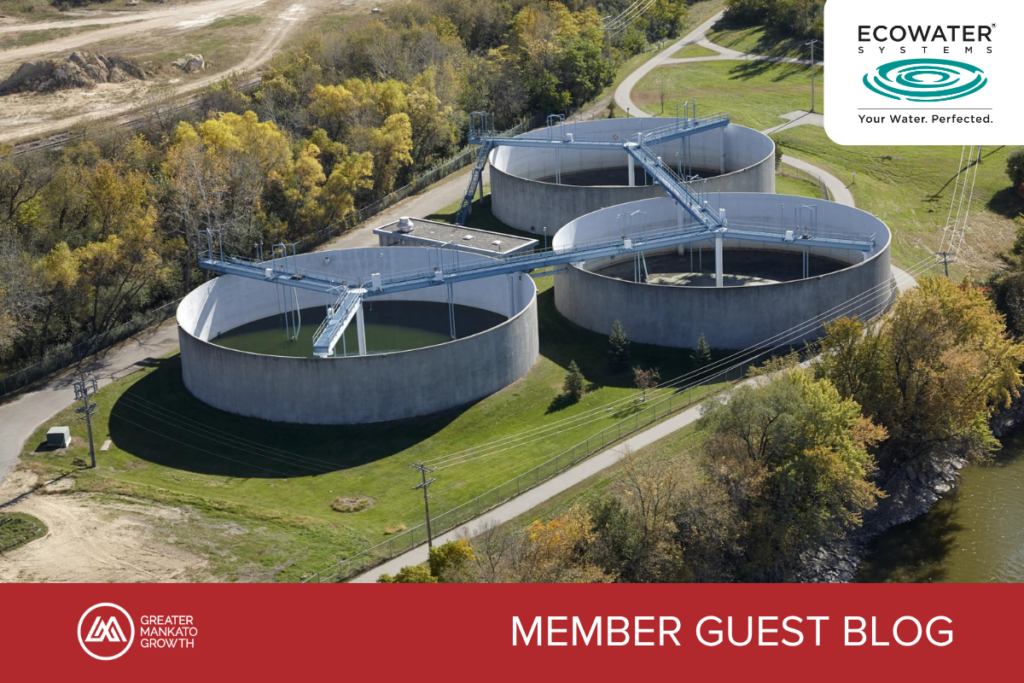
Access to clean and reliable drinking water is a cornerstone of public health and infrastructure in the Mankato community. The municipal water system is designed, operated, and maintained to meet strict regulatory standards established by both the Environmental Protection Agency (EPA) and the State of Minnesota.
This guide is intended to provide a clear, unbiased overview of:
- The characteristics of Mankato’s water supply
- Common residential water quality concerns
- The difference between safe and optimized water
- Practical, proven solutions for improving water at the household level
Water provided to homes and businesses within the cities of Mankato and North Mankato is tested frequently, monitored continuously, and treated using advanced processes to ensure safety. As a result, residents can feel confident that their water meets all legal requirements for potability.
However, regulatory compliance does not always reflect the full picture of how water performs inside the home.
Water hardness, chlorine levels, fluoride, and other water contents are of concern to many homeowners and are typically not addressed by city guidelines. Many homeowners experience issues such as mineral buildup, spotting on dishes, or changes in taste and odor, all factors that fall outside regulatory concerns but can significantly impact day-to-day quality of life.
Where Your Water Comes From
Mankato’s drinking water is primarily sourced from groundwater systems that are influenced by nearby surface water. This combination introduces a range of naturally occurring minerals and environmental factors that shape the overall water profile.
Before reaching homes, water undergoes a multi-step treatment process designed to remove contaminants and ensure safety. These processes typically include:
- Coagulation and filtration to remove suspended particles
- Membrane or ultra-filtration for fine particulate removal
- Chemical disinfection (commonly chlorine-based) to eliminate harmful microorganisms
Municipal water systems are built with a specific purpose: to protect public health, deliver consistent water at scale, and meet regulatory thresholds. They are not designed to soften or condition a city’s water supply, nor to remove certain chemicals like chlorine and fluoride.
What’s In Your Water
Groundwater in southern Minnesota is typically rich in minerals such as calcium and magnesium. These minerals are responsible for what is commonly referred to as “hard water.” While not harmful to human health, hard water can have noticeable effects on cleaning, appliances, plumbing systems, and your skin and hair.
Regulated Substances
- Lead: 1.01 ppb
- Nitrate: 3 ppm
- Copper: 0.04 ppm
- Combined Radium: 1.3 pCi/l
- Total Chlorine: 1.21 ppm
- Fluoride: 0.72 ppm
Non-Regulated Substances
- Average Hardness: 25 GPG
- Average Iron: 180 mg/L
Disinfectants such as chlorine are used to protect against bacteria and viruses, while fluoride is added to city water to help protect teeth. While essential for safety, these chemicals can create noticeable taste or odor concerns and may react with organic matter to form byproducts.
Common Household Water Issues
Many water-related concerns are not immediately obvious from a safety standpoint but become noticeable over time through repeated use. Specific to the Mankato area, these challenges may include:
Cleaning Challenges
- Soap and detergent do not lather effectively
- Residue remains on dishes, glassware, and fixtures
- Laundry may feel stiff or appear dull
Hard Water Impacts
- Scale buildup inside pipes and appliances
- Reduced efficiency of water heaters
- Increased wear on dishwashers and washing machines
Taste and Odor
- Chlorine-related smell or taste
- Metallic or earthy notes depending on mineral content
Personal Care Effects
- Skin may feel dry or irritated after bathing
- Hair may appear dull or more difficult to manage
Over time, mineral deposits accumulate in water heaters, pipes and fixtures, and appliances such as dishwashers and washing machines. This buildup reduces efficiency and can lead to increased energy usage.
Hard water can also contribute to higher utility costs due to reduced efficiency, more frequent appliance repairs or replacement, and increased use of cleaning products and detergents.
Case Study: Nitrate Contamination in Southern Minnesota
The Minnesota River Basin, which runs directly through the Mankato region, represents one of the most well-documented examples of nutrient-driven water quality challenges in the Upper Midwest.
According to the Minnesota Pollution Control Agency (MPCA), cropland sources account for an estimated 89% to 95% of nitrate loading in the Minnesota River basin and similar southern Minnesota watersheds.
Nitrate enters surface and groundwater systems through two primary mechanisms:
- Tile drainage systems, which rapidly transport fertilizer-laden water from fields into streams
- Groundwater leaching, which allows nitrate to move slowly through soils and aquifers over time
While municipal water systems in cities like Mankato are highly regulated and typically meet federal standards, groundwater tells a different story, particularly for private well users.
Private well users face the highest risk because:
- Testing is voluntary
- Contamination is invisible (no taste, color, or odor)
- Nitrate is highly mobile in agricultural soils
The MPCA notes that high nitrate levels “threaten the safety of…drinking water” and can interfere with oxygen transport in the blood.
Options for Water Treatment
Water Softeners
Water softeners are designed to remove hardness minerals through ion exchange. Benefits of softened water include prevention of scale buildup, extended appliance lifespan, and improved soap and detergent efficiency.
Reverse Osmosis Systems
Reverse osmosis drinking systems are advanced filtration systems used primarily for drinking water. They remove dissolved solids, heavy metals, and trace contaminants while improving taste and clarity.
Whole-Home Filtration, Iron & Purpose Filters
Whole-home filtration systems treat water at the entry point, removing contaminants like chlorine, sediment, and heavy metals to provide clean, safe water from every tap and appliance.
Specialized iron filters specifically tackle iron, manganese, and hydrogen sulfide, eliminating rust stains, metallic taste, and rotten egg odors.
Purpose filters are targeted treatment devices designed to remove specific contaminants such as lead, fluoride, or chemicals at the exact point of consumption or use.